
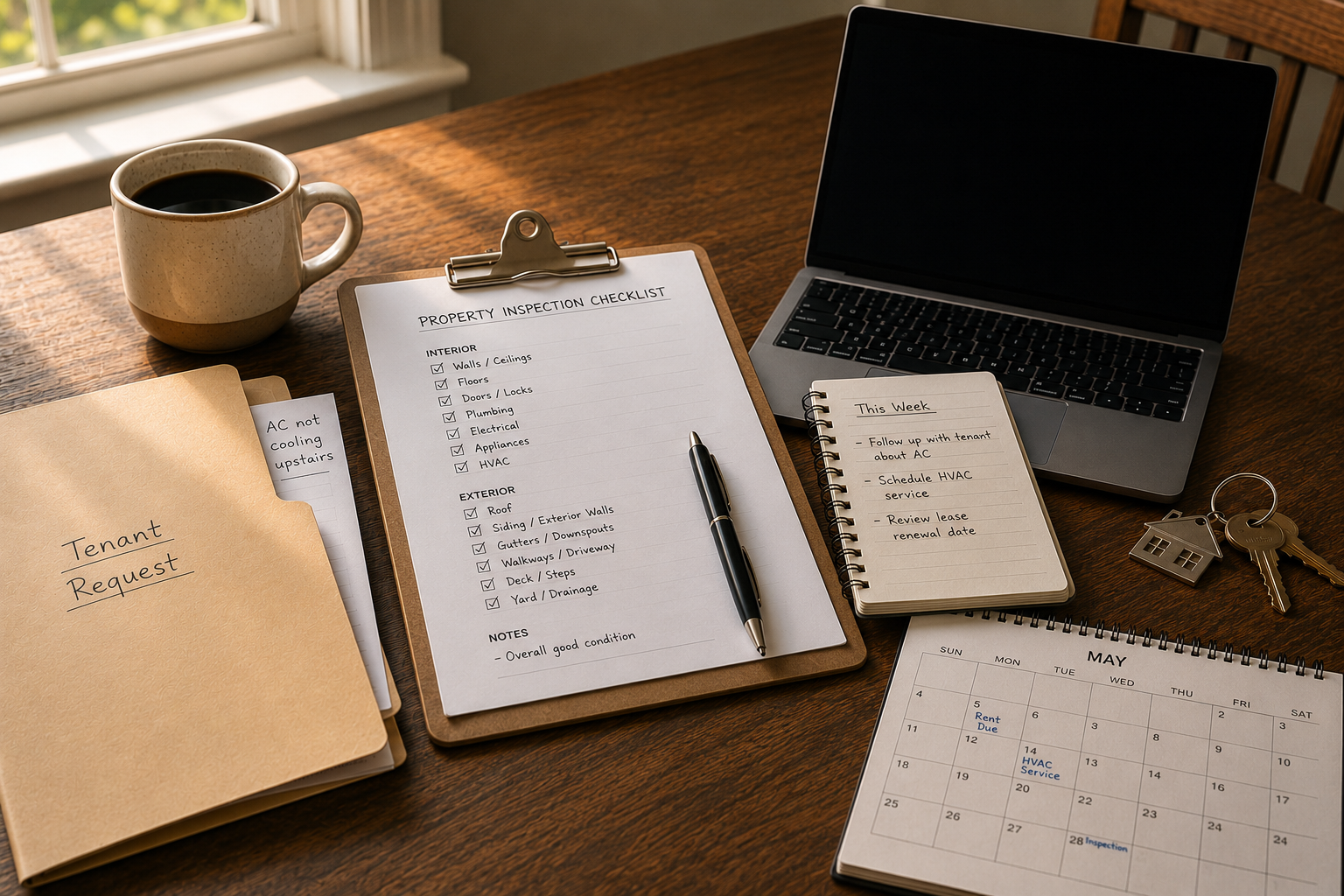
Communicating with Your Tenant
Good communication is one of the most important parts of successful rental ownership. Establish clear expectations from the beginning, respond to questions in a timely manner, and keep conversations professional and respectful. Strong communication helps build trust while reducing misunderstandings that can lead to unnecessary conflict.
Whenever possible, communicate in writing and keep important conversations documented. Whether you're coordinating repairs, discussing lease questions, or following up on maintenance requests, maintaining a clear record protects both you and your tenant. Consistent communication also helps create a positive rental experience and encourages tenants to report small issues before they become larger problems.
Managing your rental
Successful rental management is built through consistency, communication, and proactive care.
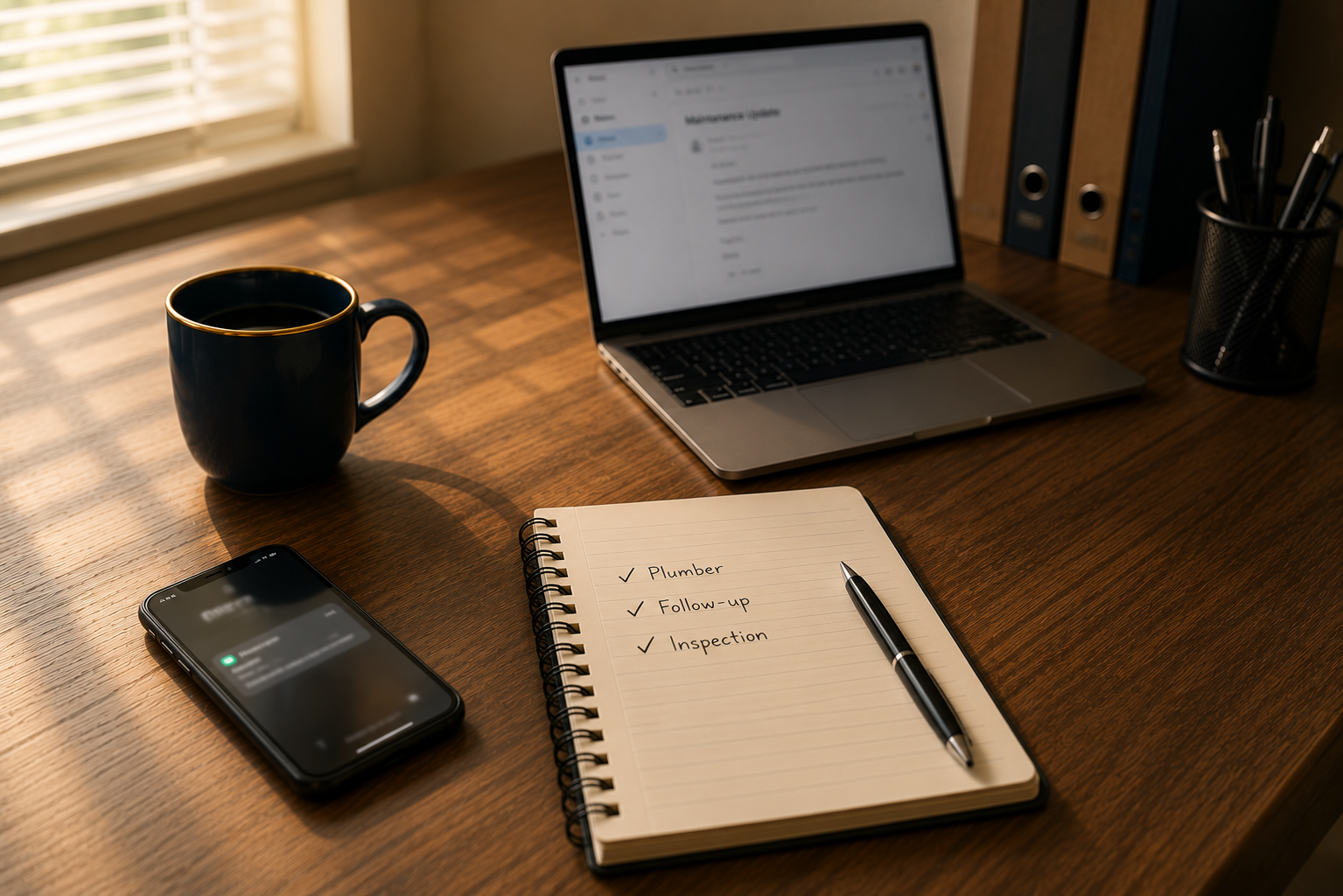
Key Communication Principle
● Establish clear expectations from the beginning
● Respond to questions and maintenance requests promptly
● Keep important conversations documented in writing
● Maintain professional and respectful communication
● Build trust through consistency and timely follow-up
Handling Maintenance Requests
Responding to maintenance requests promptly helps protect both your property and your relationship with your tenant. Not every repair is an emergency, but every concern deserves timely communication and an appropriate response. Addressing small issues early can often prevent more expensive repairs and reduce frustration for everyone involved.
Develop a consistent process for receiving, documenting, and resolving maintenance requests. Keep records of completed repairs, invoices, and contractor information, and communicate clearly with your tenant throughout the process. A well-organized approach not only protects your investment but also demonstrates professionalism and helps build long-term trust with your tenants.
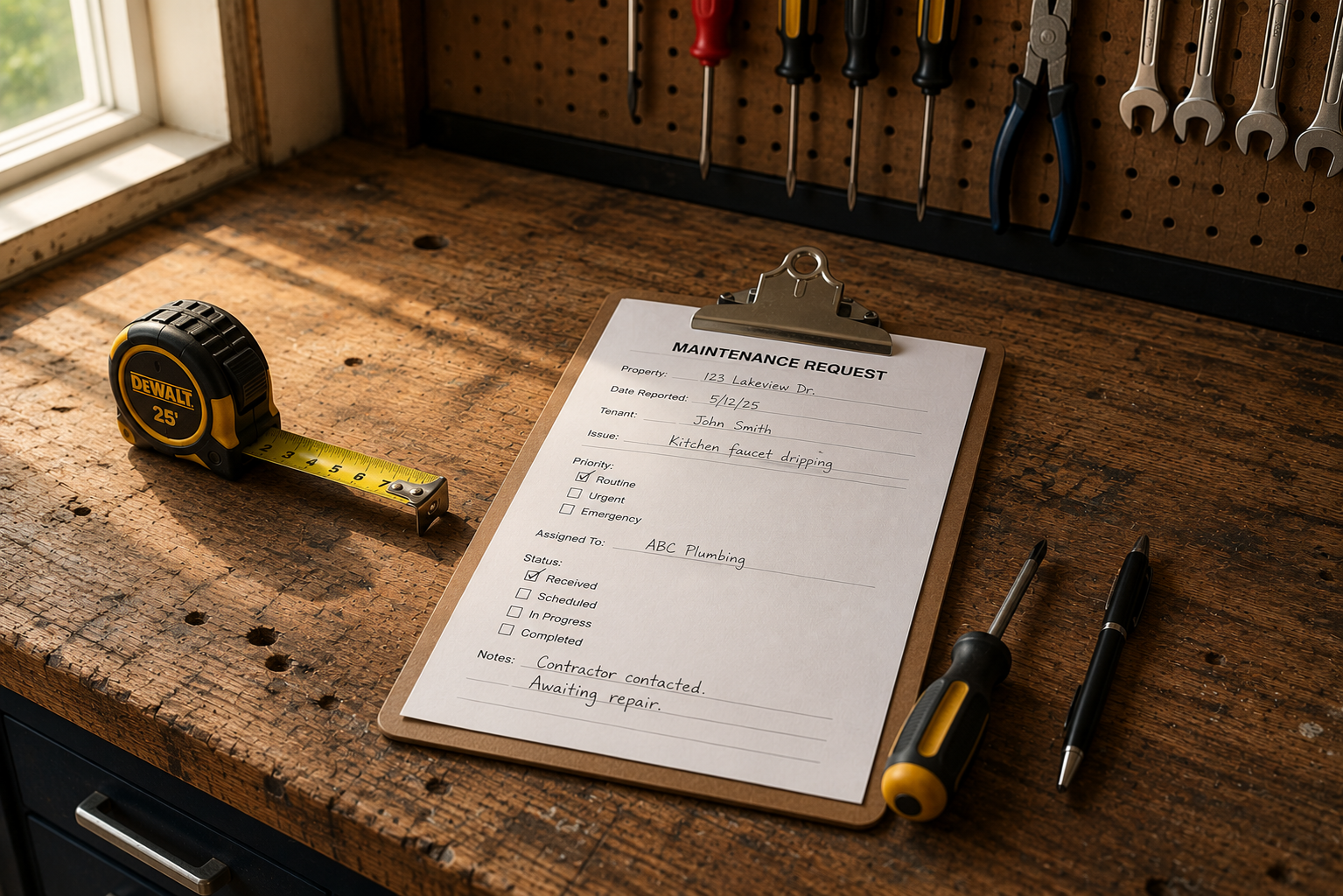
Key Maintenance Principles
● Respond promptly to all maintenance requests
● Document repairs and contractor communication
● Address small issues before they become costly repair
● Keep tenants informed throughout the repair process
● Maintain complete records of completed work
Performing Routine Inspections
Routine property inspections are one of the best ways to protect your investment over the long term. Regular walkthroughs allow you to identify maintenance concerns early, verify that the property is being well cared for, and address small issues before they develop into costly repairs. Inspections also provide an opportunity to ensure the property continues to meet safety and lease expectations.
Approach inspections as a routine part of responsible rental ownership rather than searching for problems. Schedule them in accordance with your lease agreement and applicable laws, communicate with your tenant in advance, and document your observations with notes and photographs when appropriate. A consistent inspection process helps preserve your property while maintaining a professional relationship with your tenant.
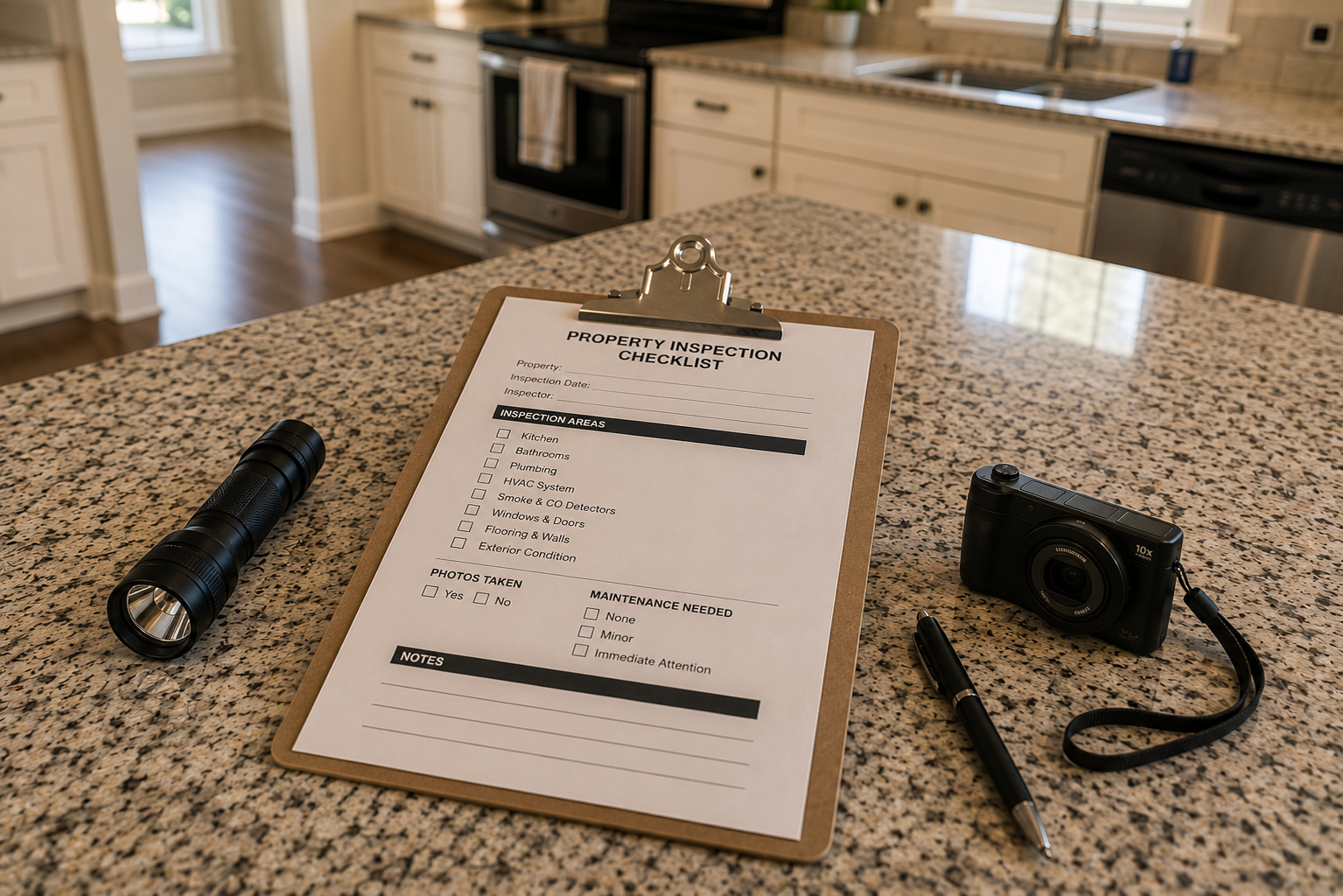
Key Inspection Principles
● Schedule routine inspections throughout the lease
● Document the property's condition with notes and photographs
● Identify maintenance concerns before they become costly repairs
● Communicate inspection findings with your tenant when appropriate
● Maintain organized inspection records for future reference
Staying Organized Throughout the Lease
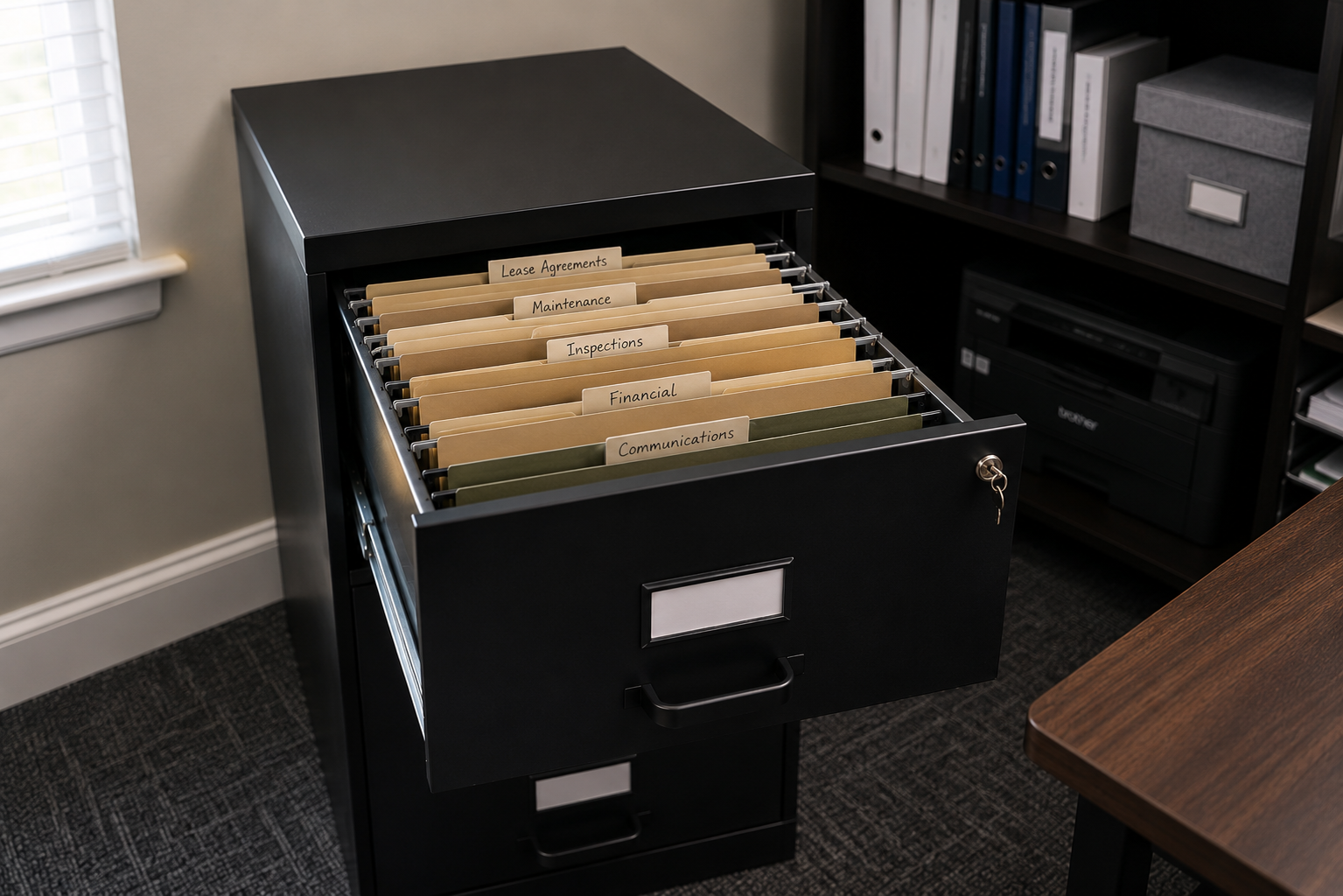
Managing a rental property involves more than responding to individual situations—it requires maintaining an organized system throughout the entire lease term. Keeping important documents, maintenance records, inspection notes, lease agreements, and communication in one place makes it easier to stay informed, respond to questions, and manage your property with confidence. Good organization also helps ensure that important details aren't overlooked as the tenancy progresses.
Develop consistent habits for documenting significant events, tracking completed repairs, and maintaining records related to your rental property. An organized approach not only saves time but also provides valuable information when reviewing the property's history, preparing for lease renewal, or addressing future questions. Staying organized throughout the lease helps create a smoother experience for both you and your tenant while protecting your investment over the long term.
Key Organization Principles
● Keep lease agreements, inspection reports, and maintenance records organize
● Maintain complete documentation throughout the tenancy
● Track important dates, repairs, and tenant communication
● Create consistent record-keeping procedures
● Keep property information readily available for future reference
Preparing for Lease Renewal or Tenant Turnover
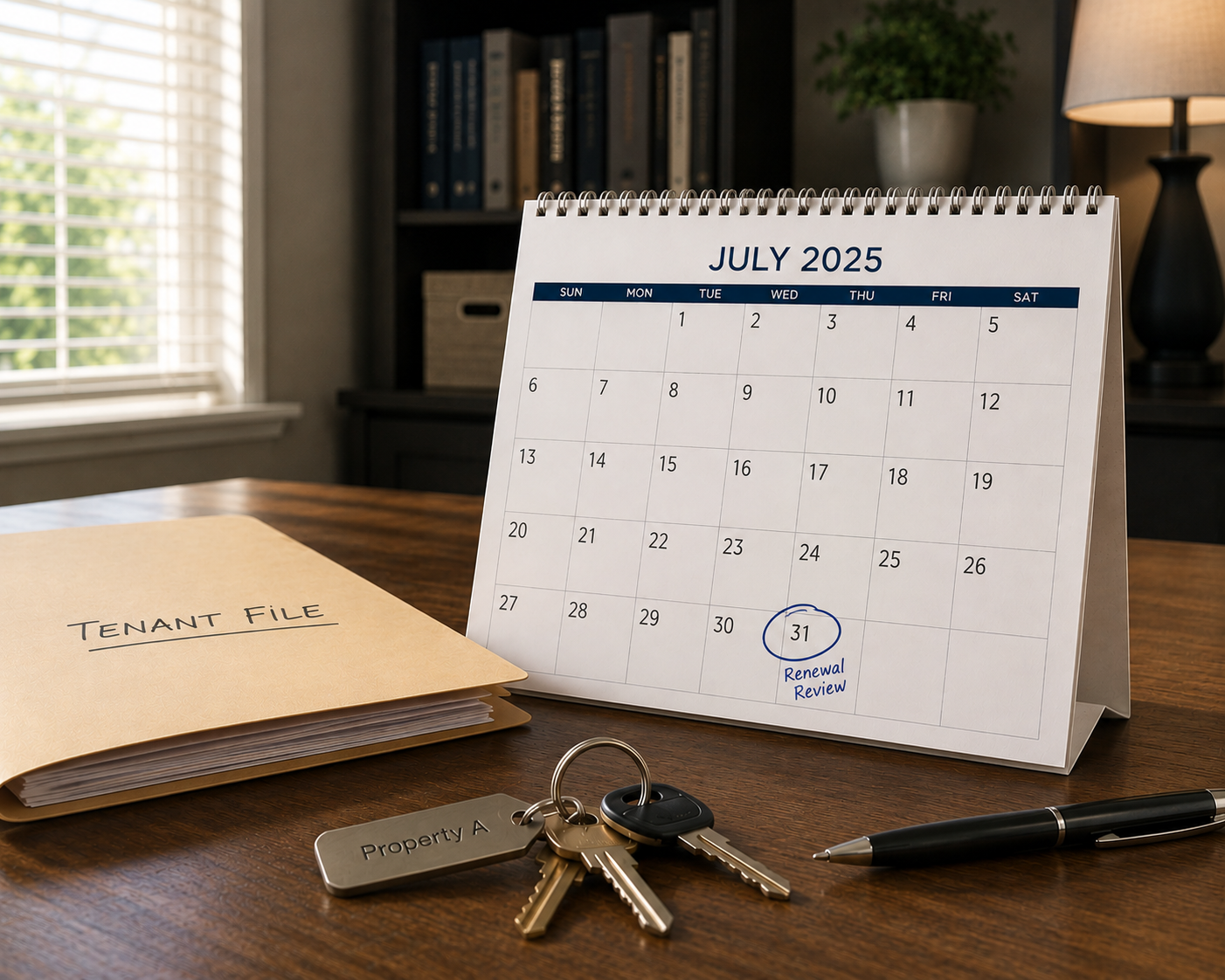
As the lease term begins to draw to a close, it's important to evaluate both the tenancy and the condition of the property before deciding on the next steps. Whether you're considering a lease renewal or preparing for tenant turnover, planning ahead helps reduce last-minute decisions and allows both you and your tenant adequate time to prepare. Reviewing the property's condition, communication history, and overall tenancy can provide valuable insight when determining the best path forward.
If your tenant has been reliable, communicates well, and cares for the property, a lease renewal may provide stability for both parties. If the tenancy is ending, developing a plan for inspections, property preparation, marketing, and the next leasing cycle can help minimize vacancy and ensure a smooth transition. Taking a proactive approach allows you to move confidently into the next stage of managing your rental property.
Key Renewal & Turnover Principles
● Evaluate the property's condition before the lease ends
● Review the tenant's lease performance and communication history
● Plan repairs, cleaning, and maintenance before the next tenancy
● Decide whether to renew the lease or prepare for turnover
● Minimize vacancy through proactive planning
Successfully managing a rental property requires more than responding when something goes wrong. Consistent communication, proactive maintenance, routine inspections, organized record keeping, and thoughtful planning all contribute to protecting your investment while creating a positive experience for your tenants. Small, consistent actions taken throughout the lease often have the greatest impact on the long-term success of your rental property.
Every stage of the lease builds on the one before it. By staying organized, planning ahead, and maintaining clear communication, you'll be better prepared to make informed decisions, strengthen tenant relationships, and protect your property throughout every phase of ownership.