
Financial Management
Strong financial habits help turn rental property into a successful long-term investment.
Managing Your Rental's Cash Flow
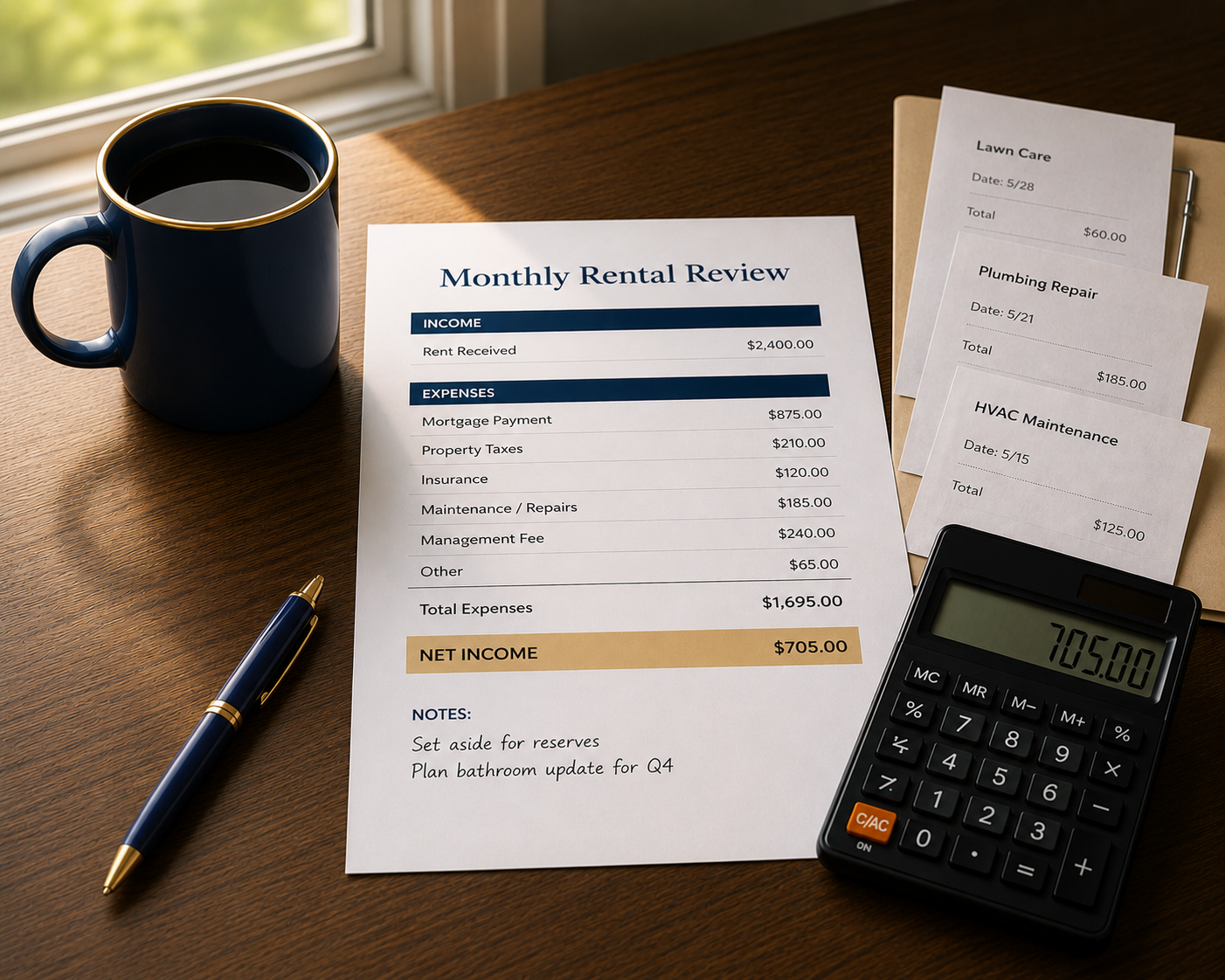
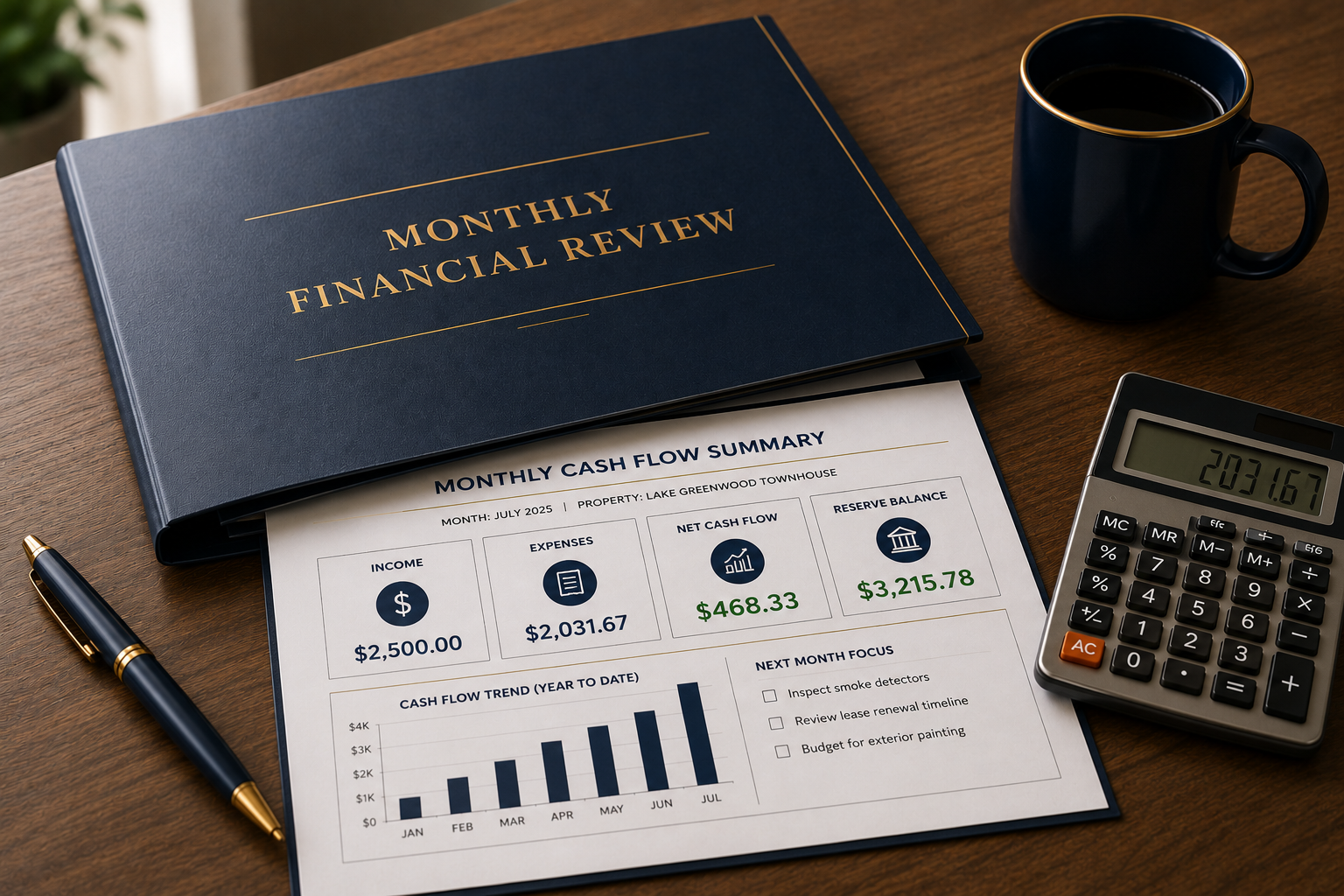
Rental income is the financial foundation of every rental property, but successful cash flow involves far more than collecting rent each month. Mortgage payments, insurance, property taxes, maintenance, and unexpected repairs all rely on consistent income. Understanding how money flows through your property helps you make informed financial decisions, prepare for future expenses, and build a stronger long-term investment.
Healthy cash flow also provides flexibility when unexpected situations arise. Vacancy periods, seasonal maintenance, or larger repair projects are much easier to manage when your property's finances are organized and predictable. By monitoring both income and expenses over time, you'll gain a clearer picture of your property's financial health and be better prepared to make confident decisions that support long-term success.
Key Cash Flow Principles
● Review rental income and expenses every month
● Compare monthly income against recurring operating expenses
● Monitor cash flow trends throughout the year
● Plan ahead for repairs and upcoming expenses
● Make informed decisions based on long-term financial performance
Planning for Ongoing Expenses
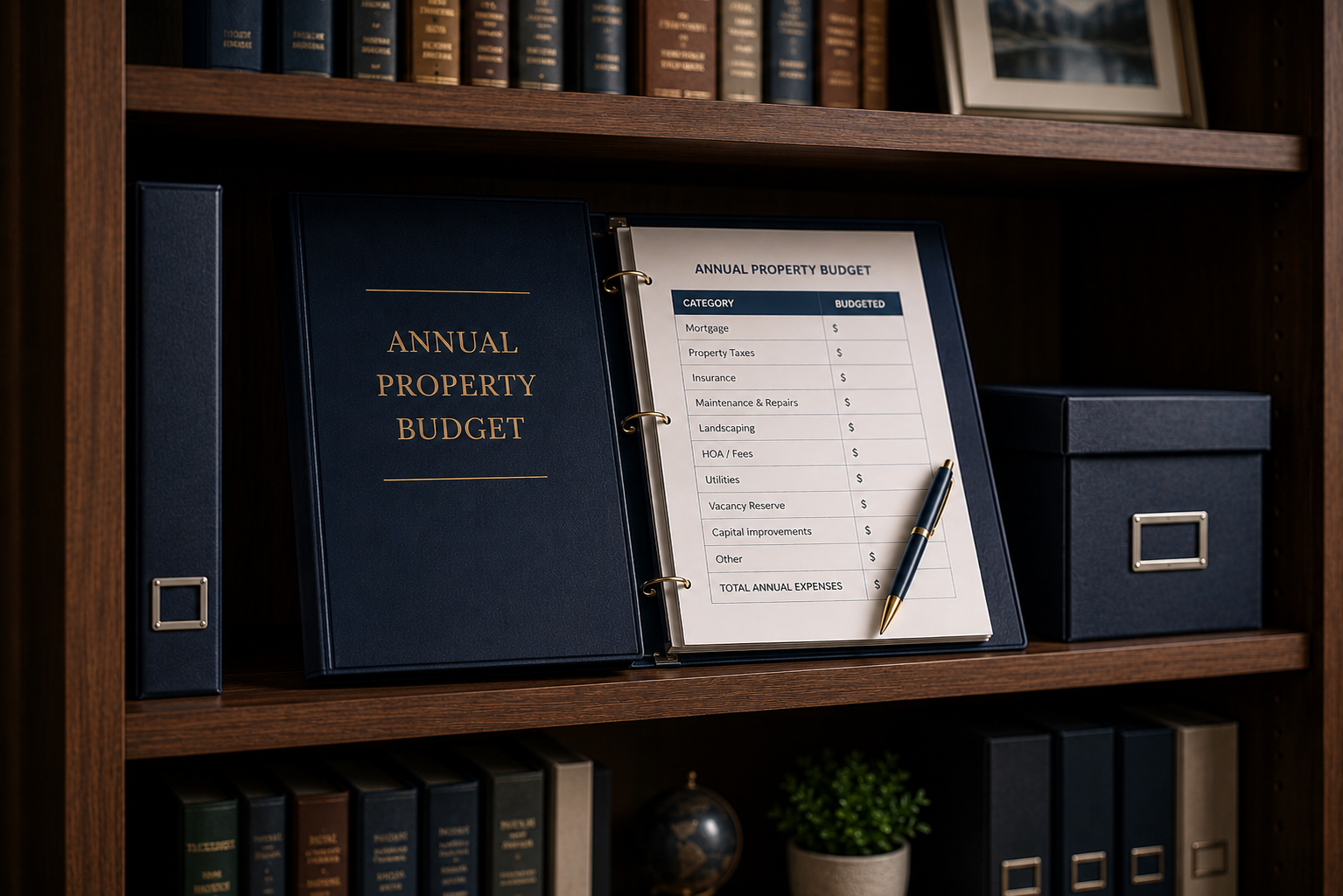
Owning a rental property involves more than collecting rent each month. Mortgage payments, insurance, property taxes, routine maintenance, lawn care, HOA dues when applicable, and occasional repairs all contribute to the true cost of ownership. Planning for these recurring expenses helps you develop a realistic budget and avoid unnecessary financial surprises.
Successful rental owners don't simply react when expenses arise—they prepare for them. Setting aside funds for seasonal maintenance, larger repairs, and long-term property improvements helps reduce financial stress while protecting the condition of your investment. A proactive budget allows you to make better decisions throughout the year instead of responding to emergencies.
Key Budget Planning Principles
● Budget for recurring property expenses throughout the year
● Plan ahead for repairs before they become emergencies
● Set aside funds for seasonal maintenance and replacements
● Prepare for unexpected expenses without disrupting cash flow
● Review your property's budget on a regular basis
Building a Reserve Fund
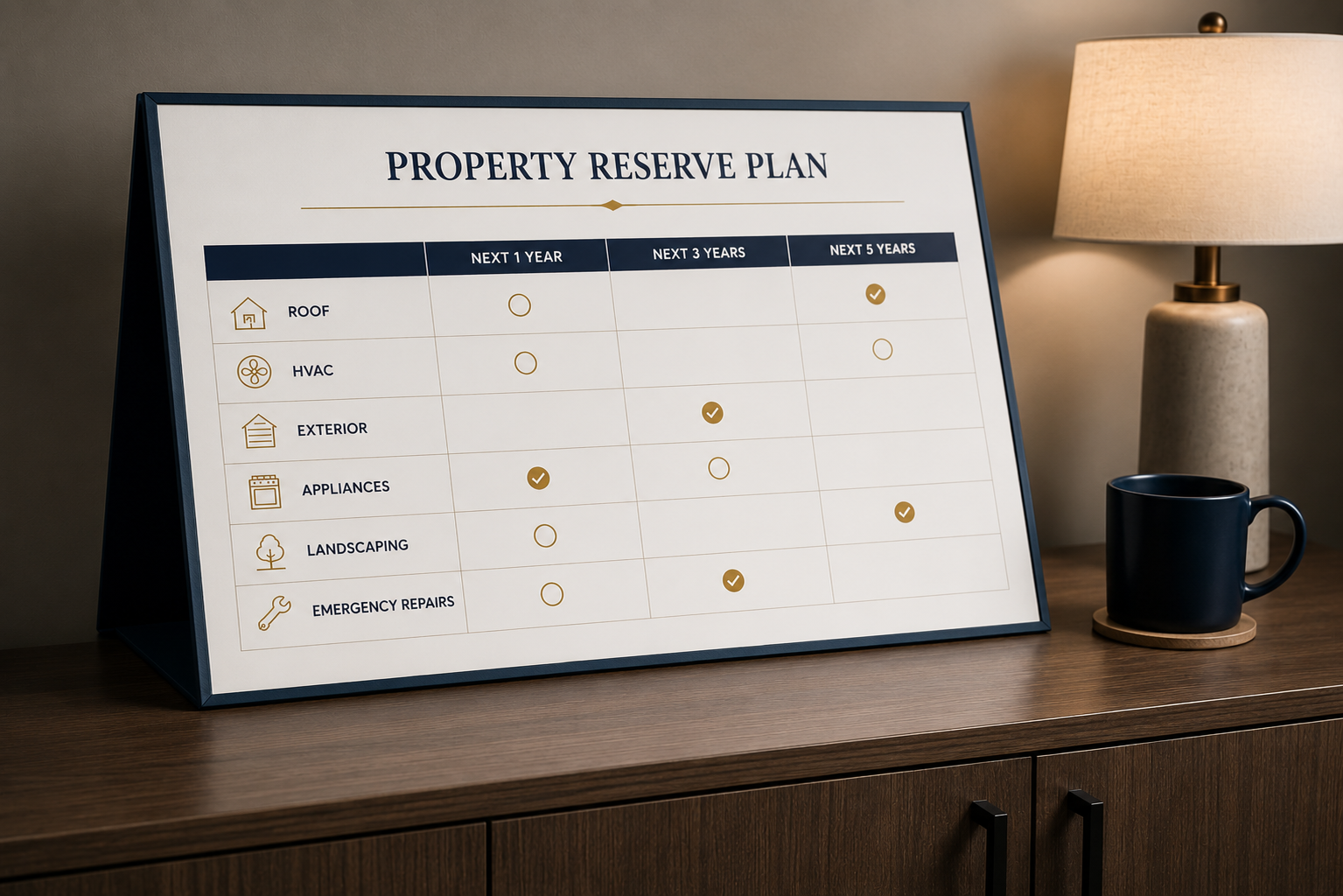
One of the best ways to protect your rental property's financial stability is by maintaining a dedicated reserve fund. Even well-maintained properties will eventually require repairs, appliance replacements, or other unexpected expenses. Setting aside a portion of your rental income each month can help you respond to these situations without placing unnecessary strain on your personal finances or disrupting your long-term investment goals.
A reserve fund also provides peace of mind during periods of vacancy or other unforeseen circumstances that may temporarily reduce your rental income. While every property and owner's financial situation is different, developing the habit of consistently building financial reserves helps create greater stability and allows you to make thoughtful decisions rather than reacting under financial pressure. Preparing today for tomorrow's expenses is one of the most effective ways to support the long-term success of your rental property.
Key Reserve Fund Principles
● Set aside funds every month for future property expenses
● Build reserves before unexpected repairs become necessary
● Protect cash flow during vacancies and major repairs
● Treat reserve savings as part of your operating budget
● Grow your reserve fund as your property portfolio expands
Keeping Accurate Financial Records
Maintaining accurate financial records is an important part of successful rental ownership. Keeping organized documentation of rental income, maintenance expenses, invoices, receipts, insurance information, property taxes, and other financial transactions provides a clear picture of your property's performance over time. Well-maintained records also make it easier to answer questions, review past expenses, and prepare for future financial planning.
Developing a consistent system for organizing your financial documents can save time and reduce stress throughout the year. Whether you use paper files, digital records, or property management software, maintaining complete and accurate documentation helps you make informed decisions while creating a reliable financial history for your investment. Good record keeping supports both day-to-day management and long-term financial success.

Evaluating Your Rental's Financial Performance
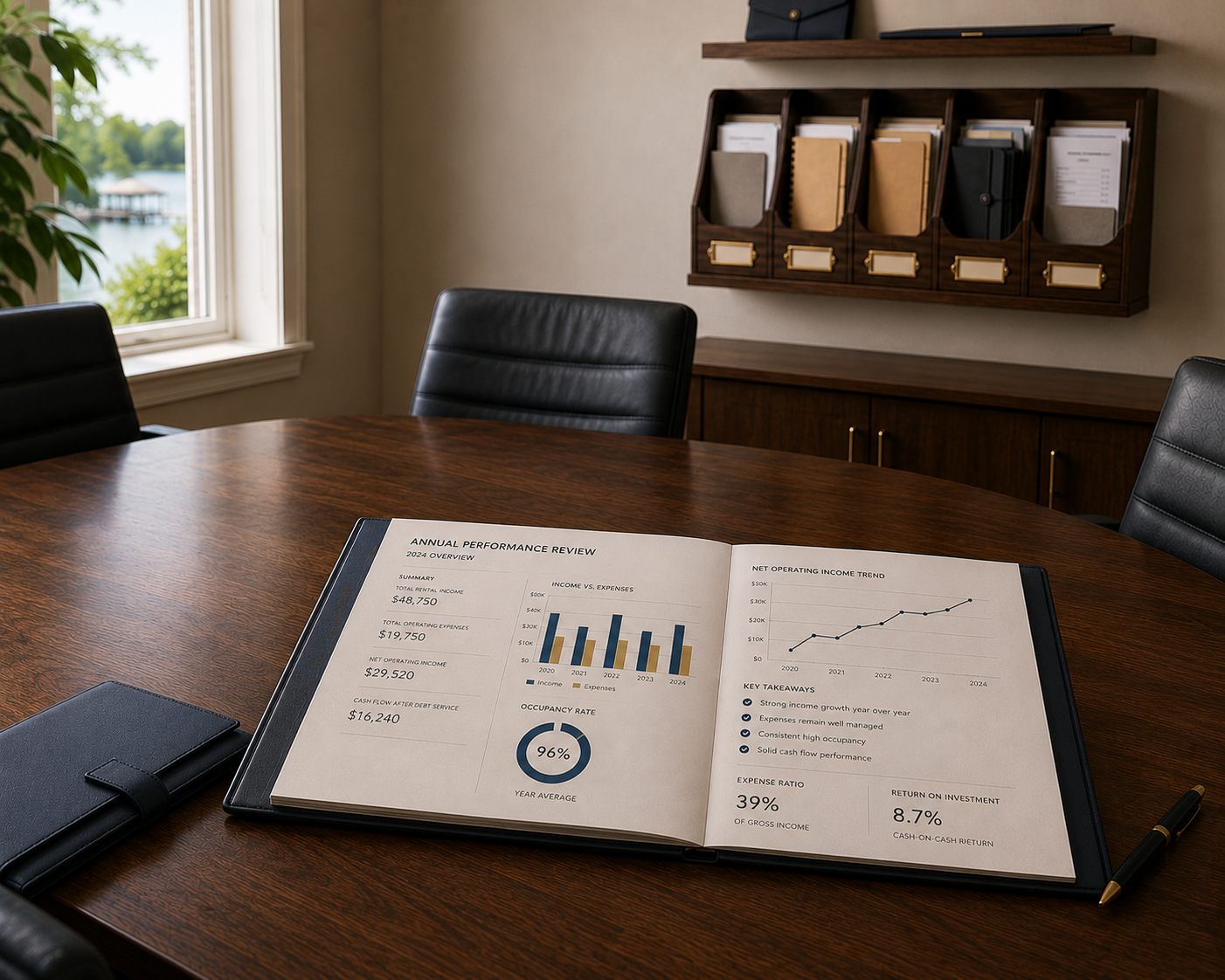
Regularly reviewing your property's financial performance helps you understand how your investment is progressing over time. Looking beyond monthly income and expenses allows you to identify long-term trends, evaluate whether your rental is meeting your financial goals, and make informed decisions about future improvements or adjustments. Periodic financial reviews can also highlight opportunities to improve efficiency, reduce unnecessary expenses, or better prepare for future investments.
Financial success should be measured by more than a single month's results. Vacancy periods, unexpected repairs, and seasonal expenses are a normal part of rental ownership and should be considered within the context of your property's long-term performance. By reviewing your property's financial health on a regular basis and making thoughtful adjustments when needed, you'll be better positioned to protect your investment and support its continued growth for years to come.
Key Financial Recordkeeping Principles
● Maintain complete records of income, expenses, and repairs
● Organize financial documents for quick and easy reference
● Keep receipts and invoices throughout the entire year
● Review financial records regularly to identify important trends
● Preserve accurate records to support long-term investment decisions
Key Financial Performance Principles
● Review your property's financial performance at least annually
● Compare rental income against total operating expenses
● Monitor long-term trends instead of short-term fluctuations
● Evaluate returns to support future investment decisions
● Adjust your financial strategy as your investment grows
Successfully managing the financial side of a rental property requires more than tracking income and paying monthly expenses. Understanding your property's financial performance, planning for ongoing costs, maintaining organized records, and preparing for unexpected expenses all contribute to building a stronger and more resilient investment. Consistent financial habits help you make informed decisions while protecting both your property and your long-term financial goals.
Strong financial management isn't about reacting to problems—it's about building systems that support long-term success. By approaching your rental property's finances with organization, planning, and regular evaluation, you'll be better prepared to navigate changing circumstances, protect your investment, and make confident decisions throughout your ownership journey.